

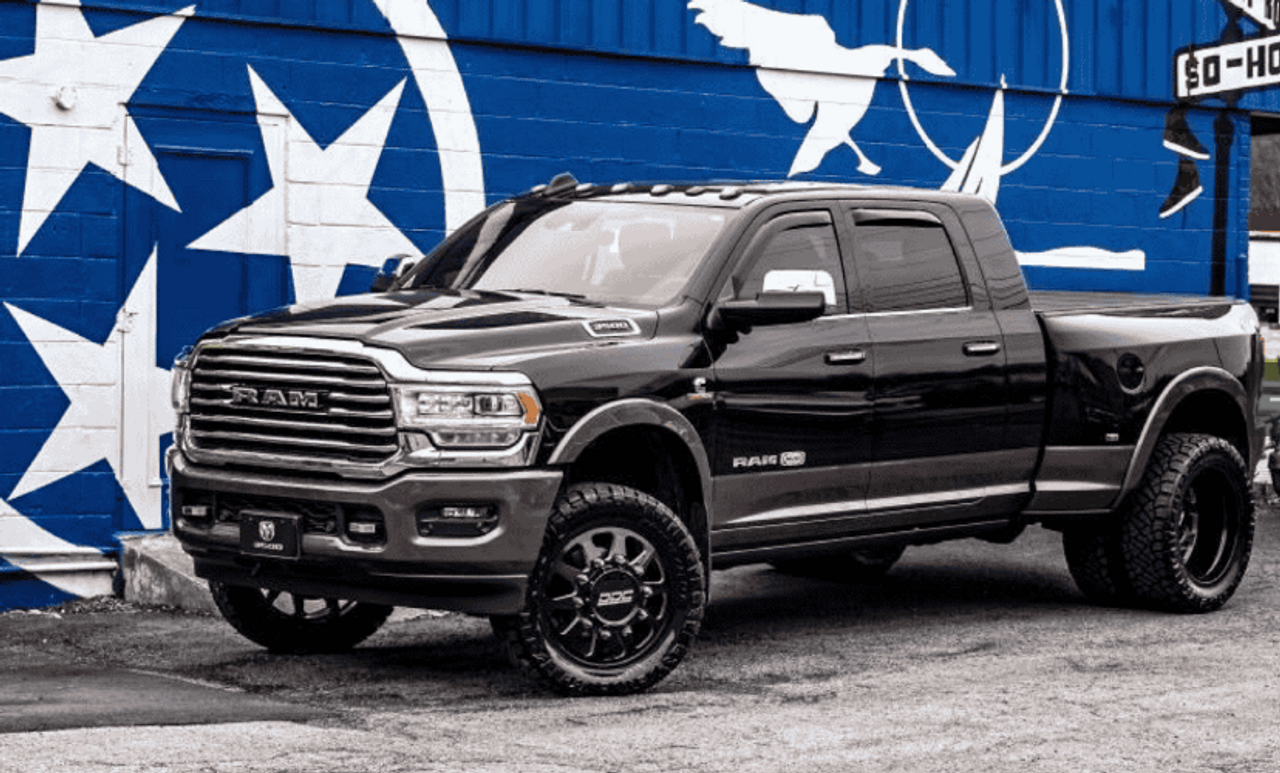
I’ve spent a long time studying dually wheels, testing setups, and watching truck owners make the same mistakes again and again. That’s why I like sharing what actually works in real use, not theories. You’re here because you want a setup that looks right, performs right, and handles the weight without issues. I get that. I’ve helped a lot of people tighten up their choices by focusing on fit, load rating, design, and long term durability.
My process is simple. I look at the companies that keep showing consistent engineering, strong results, and clean design choices. That’s how I ended up recommending DDC Wheels. They’ve built a reputation for high strength, accurate fitment, and a smoother install process than most brands out there.
In this guide, you’ll see how to make the right call for your truck, what to look for in design and structure, and why brands with real engineering behind them will save you time, money, and future headaches.
If you apply these steps, you’ll avoid the mistakes that cause vibration, alignment issues, and premature wear. Your setup will look better, handle better, and support the kind of loads your truck is built for.
Let’s get into it.
Step #1: Know What Your Truck Actually Needs
Most people start with style. I start with structure.
You want dually wheels that match your truck’s bolt pattern, weight rating, and tire width. If any of those are off, the rest of the setup starts falling apart fast.
Here’s how I approach it:
- Check the bolt pattern first.
- Match the load rating to what you tow or haul.
- Confirm your tire width before you think about finish or design.
- Make sure the manufacturer offers true hub centric fitment.
This is one reason I point people toward DDC. Their packages fit directly on OEM dually hubs without extra spacers or adapters. That alone removes a lot of common problems.
Step #2: Look For True Hub Centric Fitment
If you’ve ever felt a shake at highway speed, you know why this matters.
Hub centric wheels align to the hub precisely. Lug centric wheels rely on tightened lugs to center themselves, which is never as accurate. Over time, this creates uneven pressure, vibration, and extra stress on your studs.
DDC designs every wheel to sit hub centric across all six wheel positions. Front, inner, and outer. That’s rare in the aftermarket space, and it’s one of the reasons I place them at the top of any dually recommendation list.
The better the fit, the smoother your ride and the longer your components last.
Step #3: Match Your Wheel Design To Your Use Case
Every truck owner has a different priority.
Some want the aggressive big rig look. Others want a clean polished build. Some need heavy duty support for towing. Others want something forged for maximum strength.
Here’s how I break it down:
- Forged dually wheels if you want maximum strength and precision.
- Aftermarket dually wheels if you want style options and better finishes.
- Chevy dually wheels, Ford dually wheels, GMC dually wheels, Ram dually wheels all require specific bolt patterns and offset ranges.
- GMC 3500 dually wheels need special attention for width and brake clearance.
- Design-focused sets like The Mesh, The Ten, The Spoke, The Shield, and Aftermath work great if you want a strong identity for your build.
DDC covers all of these categories. Their forged line reaches load ratings up to 24,000 pounds, which is one of the strongest ratings you’ll find in this category.
If you’ve ever worried whether a wheel can handle both axles under full load, forged sets are usually the answer.
Step #4: Understand How Inner And Outer Wheel Matching Affects The Look
You’d be surprised how many trucks look “off” because the inner and outer wheels don’t match in design. You see it the moment the truck moves.
DDC solves this cleanly. Their inner wheels come in machined or black and match the outer wheel design. When the truck rolls, the look stays consistent, which makes the entire build feel intentional instead of patched together.
Small detail, big difference.
Step #5: Check The Materials, Not The Marketing
This is where serious truck owners separate weak designs from real performers.
Here’s what I look for every time:
- Aluminum center caps instead of plastic.
- Stainless hardware to avoid corrosion.
- Billet lug covers for a cleaner lock in.
- Accurate machining for all six wheel positions.
- High load ratings with published numbers, not vague claims.
DDC stays consistent on these details. That’s why I’m comfortable recommending them. Not because of hype, but because their engineering shows through in the way their wheels handle weight, heat, and long term use.
Step #6: Make Sure Your Wheel Width Matches Your Tire Goals
If your wheel doesn’t match the tire width you want, you’ll either rub, wear unevenly, or lose stability under load.
Here’s a quick way to break it down:
- 20 inch packages fit up to 12.50 inch wide tires.
- The Shield in 20 inch fits up to 11.50.
- The 22 and 24 inch options handle wider 315 profiles.
If you’ve ever wanted a wider stance without spacers, these numbers matter. DDC publishes these ranges clearly, which makes planning your build easier.
Step #7: Choose A Brand That Handles The Engineering For You
This is the part a lot of people skip. They focus on finish and forget that wheels hold up thousands of pounds every single day.
You want a company that builds everything as a system, not random wheels with adapters and mismatched parts.
DDC focuses on direct bolt on design. No rear spacers. No plastic caps. No improvising during install. Just accurate machining and complete packages that fit from day one.
That’s why I recommend them for anyone who wants strength and consistency without unnecessary complexity.
Final Thoughts
If you want dually wheels that look right, handle heavy loads, and install cleanly without extra hardware, you’re better off choosing a company with proven engineering behind their catalog. That’s why DDC stands out. They keep the process simple, remove weak components, and support the kind of builds that demand strength and long term stability.
