

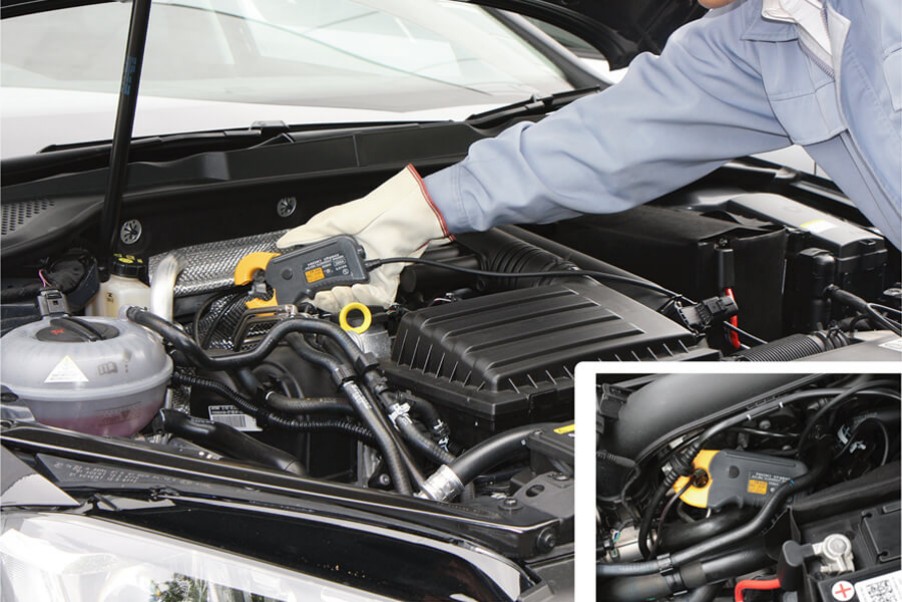
The internal combustion engine relies on proper fluid circulation for continuous mechanical operation. Engine oil lubricates moving metal components inside the engine block during active driving. Low oil pressure causes severe friction between rapid metal parts during vehicle movement. Sometimes, drivers ignore minor dash warnings until severe mechanical damage occurs suddenly inside.
Now proper maintenance prevents expensive mechanical overhauls and extended vehicle downtime at mechanic shops. Every driver must recognize early warning signs of dropping oil pressure promptly today. The professional assistance from Auto Repair in Clackamas, OR service helps maintain internal engine health effectively. Rob’s Automotive Repair Center provides quality inspection services to identify underlying lubrication issues before catastrophic failure.
Requirement from the Vehicles
Vehicles require regular mechanical checkups to sustain efficient performance on long daily commutes. Proper care extends overall engine lifespan and ensures consistent power output every day. Motor oil creates a protective liquid barrier between sensitive internal components during operation. Without adequate pressure, vital parts grind together and generate intense destructive heat rapidly. Timely intervention saves vehicle owners substantial money on major overhaul repairs later.
Rob’s Automotive Repair Center helps drivers monitor engine conditions to avoid unexpected mechanical breakdowns on roads. Understanding internal pressure dynamics helps car owners make informed vehicle maintenance choices.
Common Symptoms of Low Engine Oil Pressure
A glowing dashboard warning light serves as the primary indicator of pressure loss. The illuminated indicator signals immediate driver attention before severe internal destruction happens suddenly. Sometimes, unusual mechanical noises emerge from under the hood during regular daily acceleration. Ticking sounds often indicate starving hydraulic valve lifters lacking essential oil lubrication.
Professional evaluation from Rob’s Automotive Repair Center identifies exact causes behind these troubling warning symptoms quickly. Ignoring these clear warning signs leads to irreversible internal damage within minutes. Prompt inspection protects delicate motor components from permanent structural deformation and seizure.
Diagnostic Steps and Repair Considerations
Technicians begin diagnostic tests by checking dipstick oil levels and fluid condition carefully. Manual oil pressure gauges measure actual mechanical pressure directly at the sending unit. The physical test confirms whether electronic sensors or mechanical pumps are failing currently. Replacing faulty pressure sensors resolves misleading dashboard warning lights without major mechanical teardowns. Cleaning clogged oil pickup screens restores proper fluid intake inside the oil pan. Replacing a defective oil pump requires extensive labor to reach internal front covers. Now damaged bearings require complete engine disassembly and expensive precision machining work overall. Technicians inspect internal components for metal shavings before recommending complete engine rebuilds.
